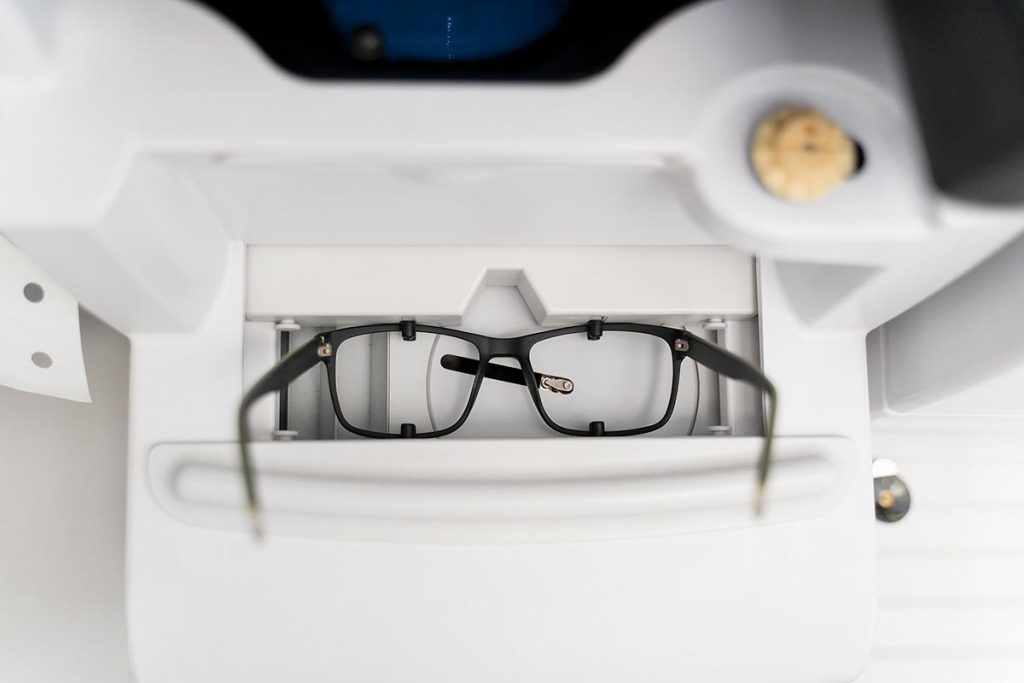
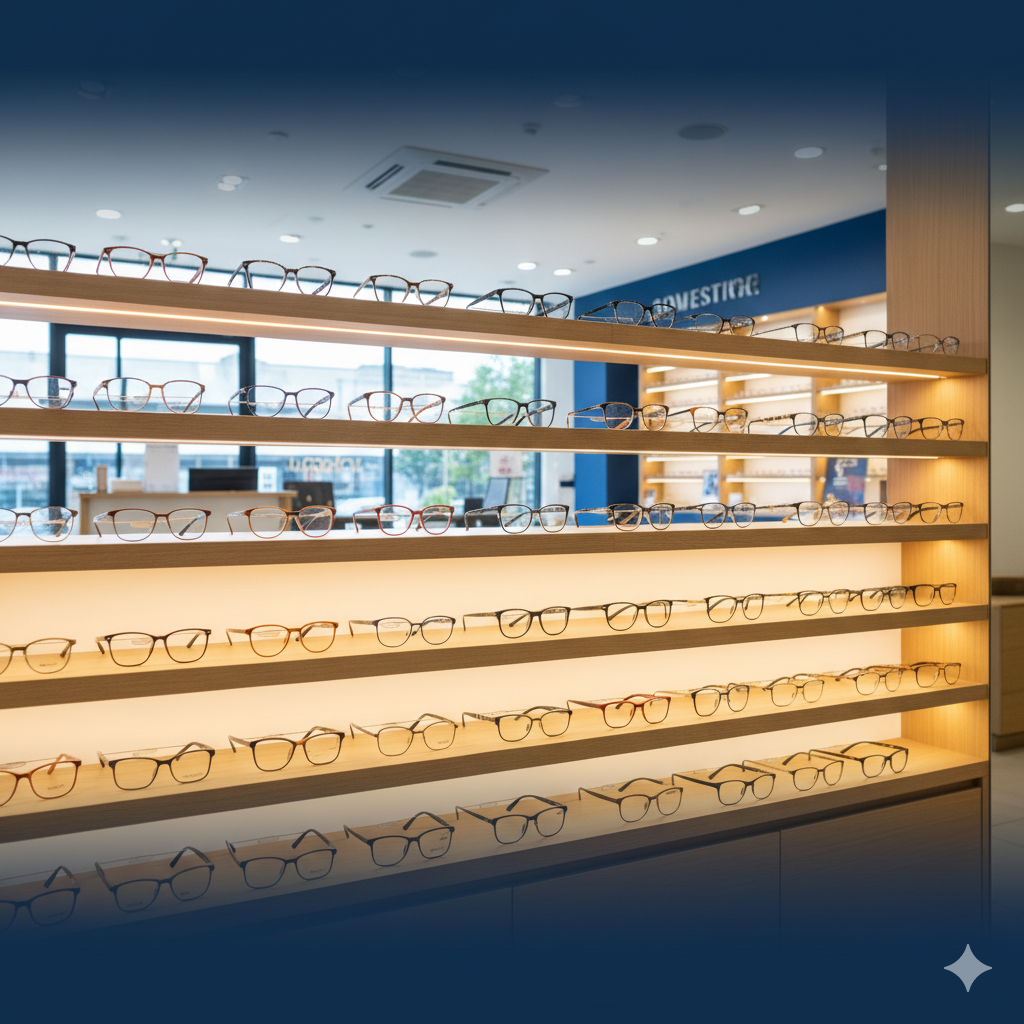
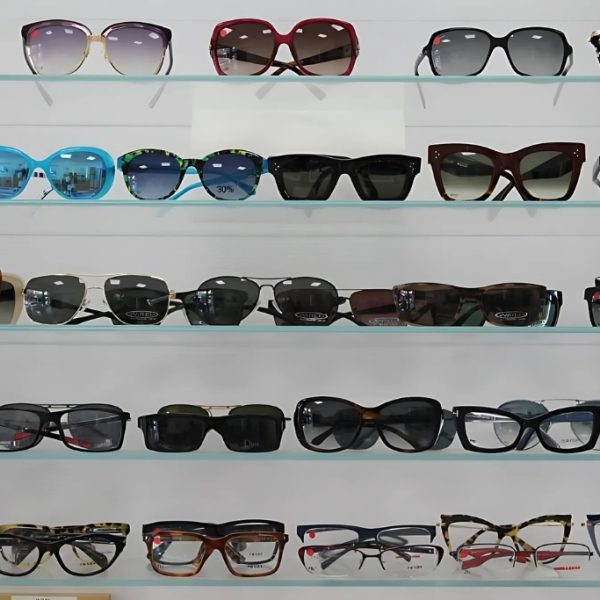
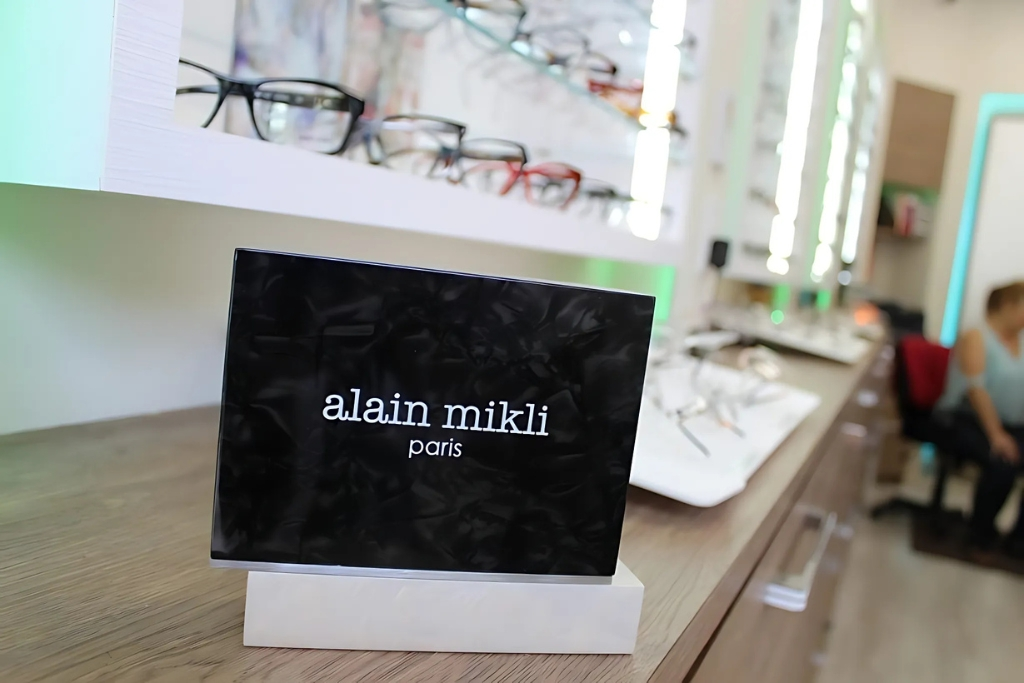
Choosing eyeglass frames goes far beyond picking a style you like. The wrong frames can feel uncomfortable, throw off facial balance, or clash with your features.
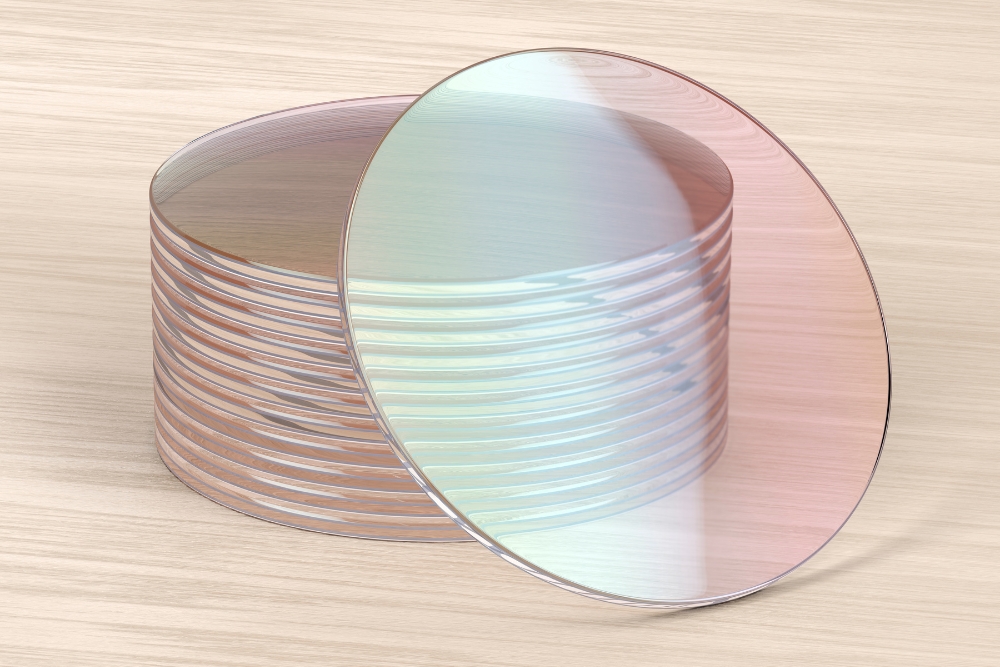
Choosing eyeglass lenses isn’t just about seeing clearly. The wrong lenses can lead to eye strain, headaches, glare issues, or discomfort that shows up during work, driving, or screen time.
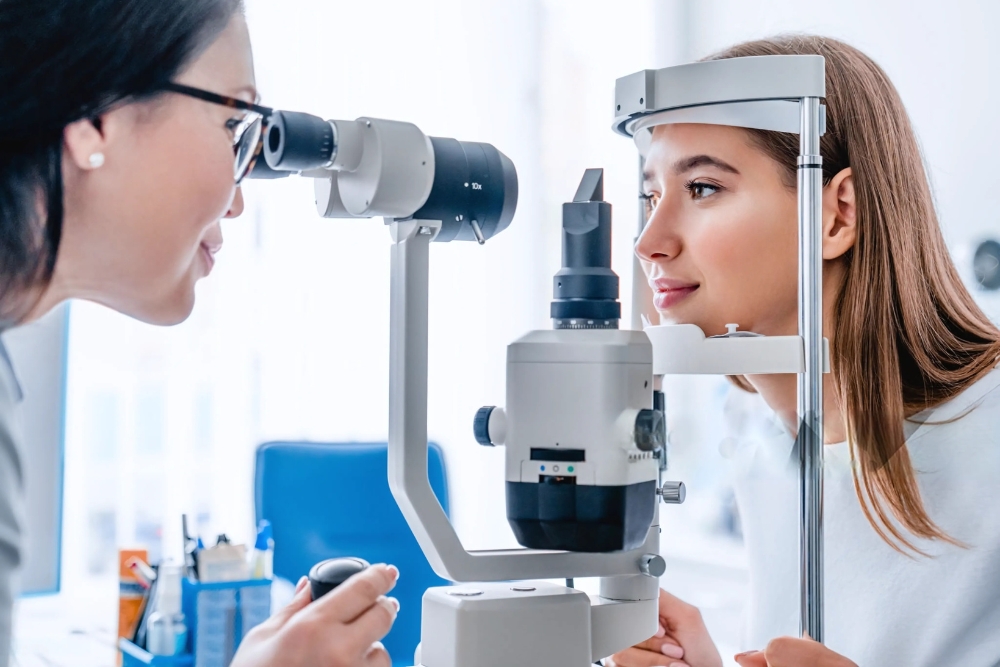
In today’s hyper-connected world, scheduling a professional computer vision exam in Forest Hills is the best way to combat the headaches, dry eyes, neck tension and blurred vision caused by prolonged screen time.
Struggling with discomfort, blurry vision, or lenses that just never feel right is an indication that finding specialty contact lenses in Forest Hills is the life-changing experience you urgently need.
The reality of eye care in both children and adults is that they can both have developing eye conditions without obvious symptoms because vision changes quietly. Many parents often assume kids will speak up if something is wrong, and many adults, on the other hand, delay exams because they “see fine.”
Many patients are surprised to learn that a contact lens exam and a eye exam involves different tests and measurements. While a comprehensive eye exam assesses your overall ocular health, a contact lens fitting is a specialized process required to ensure your lenses fit safely and provide crisp, comfortable vision.
Winter in New York is tough on the eyes — dry indoor heat, freezing winds, harsh sunlight reflecting off snow, and long months of low humidity all work together to irritate and exhaust the ocular surface. Many patients tell us their eyes feel blurry, gritty, tired, or unusually watery during the colder months. These symptoms are more than seasonal discomfort; they’re signs that your eyes are struggling to stay hydrated and protected.
If you’ve ever ended a long workday with burning eyes, a dull headache, or blurry vision when looking up from your screen, you’re not alone. Many New Yorkers assume this is “normal tiredness,” but it often isn’t. These symptoms usually point to Computer Vision Syndrome (CVS) — a real medical condition caused by prolonged digital use.
As a parent, few things matter more than knowing your child is thriving — learning well, keeping up in school, and feeling confident in everyday activities. But what many New York parents don’t realize is that up to 80% of childhood learning happens through vision. And yet, most vision problems go undetected for years.
Your eyes do far more than help you see — they reveal powerful clues about your overall health. High blood pressure, diabetes, glaucoma, retinal disease, and even neurological conditions often show early warning signs in the eyes long before symptoms appear.
If your eyes feel tired, blurry, dry, or strained after long hours on screens, you’re not alone — New Yorkers are experiencing record-high levels of Computer Vision Syndrome (CVS). Whether you’re 45+, a professional spending 8+ hours at a monitor, or a student jumping between screens all day, digital strain has a measurable impact on comfort, clarity, and long-term eye health.
When your eye doctor tells you it’s time to consider surgery, it’s normal to feel uncertain — even overwhelmed. Whether you’ve been struggling with cataracts, vision changes, dry eyes, or long-term clarity issues, knowing what comes next can make all the difference.
Staring at screens for hours has become a normal part of life, but the headaches, blurry vision, dryness, and fatigue that follow shouldn’t be. If your eyes feel tired after long days on computers, or your distance vision blurs when you finally look away, you may be dealing with Computer Vision Syndrome (CVS).
Losing your up-close vision after 40 can be frustrating. Words blur, menus look fuzzy, and suddenly your arms don’t feel long enough to read anything. As a quick fix, many New Yorkers grab drugstore reading glasses.
The December holiday season is here, bringing festive lights, winter gatherings, and plenty of photo moments. Whether you’re preparing for family celebrations or shopping for a fresh new look for the new year, clear vision matters more than ever.
If you’re considering switching from glasses to contact lenses, your first step is scheduling a contact lens appointment. Many patients aren’t sure what happens during this type of visit or how it differs from a regular eye exam
If you’re planning to switch from glasses to contact lenses, one of the first questions you may have is simple: How much is a contact lens exam? Understanding the cost is important, especially because this type of exam
When most people schedule an eye appointment, they assume that one type of exam covers everything—prescription updates, general eye health, and contact lens fittings. However, a contact lens exam and a general eye exam are two different services
If reading menus, using your phone, or focusing on close objects has become harder, you’re not alone. Many people begin to notice blurred near vision, headaches, or eye strain long before they realize hyperopia is the cause.
More children are becoming nearsighted at younger ages, and parents often notice the struggle before their child can describe what’s wrong—squinting, sitting closer to screens, or trouble seeing the board at school.
If you’ve been told that traditional contact lenses won’t work for you—or if you’re tired of constant discomfort, blurry vision, or irritation—scleral lenses may finally provide the relief you’ve been searching for.
If reading your phone, menus, or small print has become harder—even though your distance vision seems fine—you’re likely experiencing the natural changes that come with age. Many adults first notice it around their early to mid-40s:
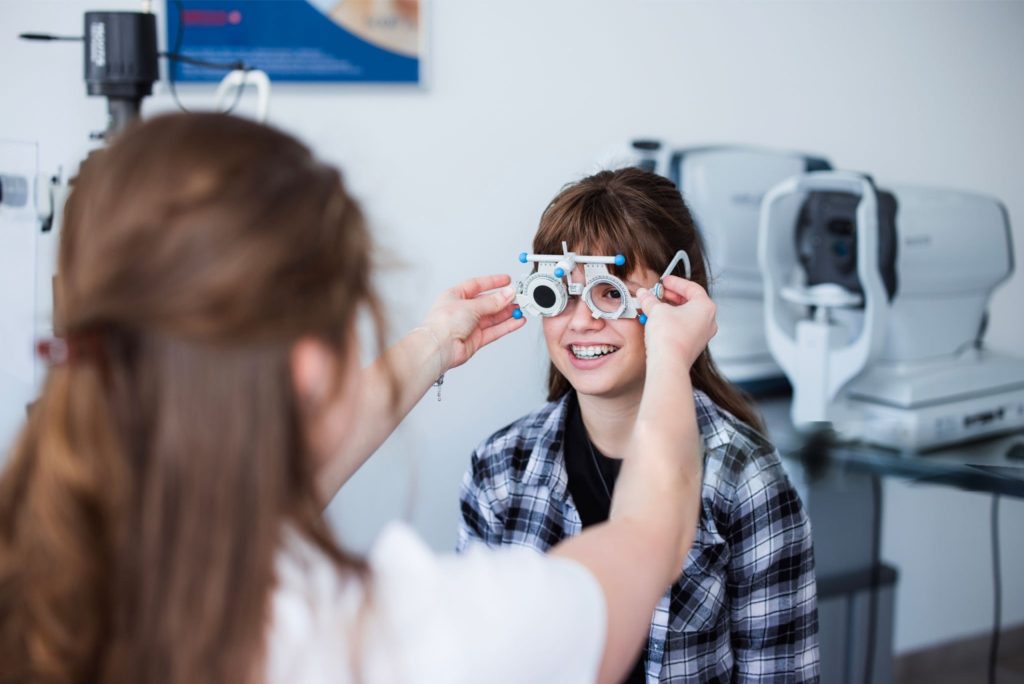
If your child is squinting at the TV, avoiding homework, or complaining about headaches, it’s easy to wonder whether something more is going on with their vision. These early signs can be subtle, but they’re often the first clues that a child may need glasses.
Many parents assume their child’s vision is fine because they passed a quick school screening. But screenings miss far more than they catch—and undetected vision issues can quietly affect learning, confidence, behavior, and long-term eye health.
If your glasses make you feel worse instead of better—headaches, dizziness, blur, or strange visual “pulling”—you’re not alone. Many people walk around with an incorrect prescription without realizing it.