When most people schedule an eye appointment, they assume that one type of exam covers everything—prescription updates, general eye health, and contact lens fittings. However, a contact lens exam and a general eye exam are two different services, each designed to evaluate specific aspects of your vision and overall eye health.
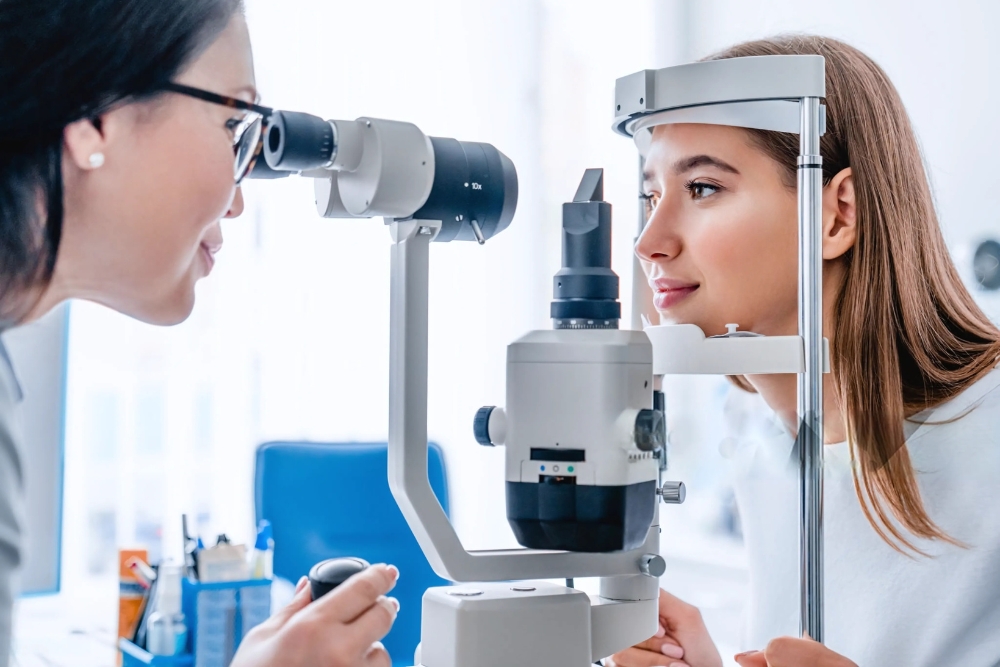
At Austin Optics, we make the distinction clear so you know exactly what type of appointment you need and why both exams matter for long-term visual comfort and clarity.
Why It Matters: Understanding the Two Types of Exams
Your eyes are unique, and choosing between glasses and contact lenses affects how your prescription is measured and how your eyes are evaluated.
A standard eye exam checks your vision and eye health.
A contact lens exam is an add-on service that focuses on the proper fit, design, and safety of contact lenses.
Both exams work together to protect your eyesight—but they serve very different purposes.
What Is a General Eye Exam?
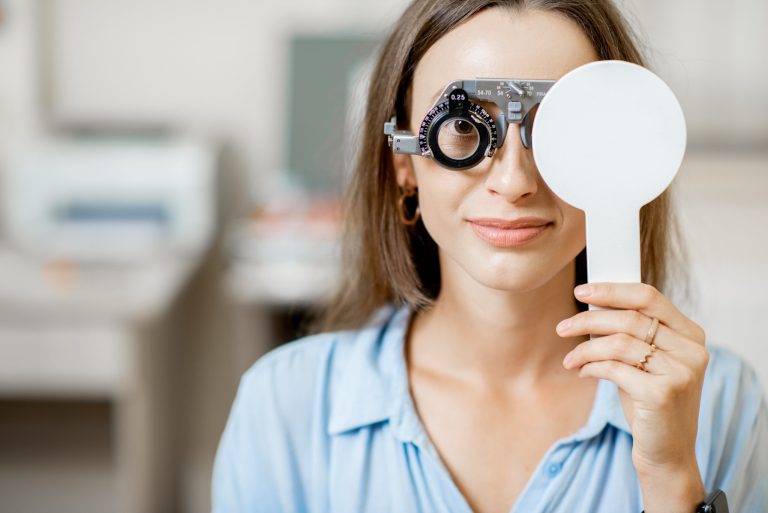
A general or comprehensive eye exam is the foundation of your vision care. It evaluates the overall health of your eyes and checks whether your prescription needs updating.
What a General Eye Exam Includes
A complete eye exam typically covers:
1. Vision Testing
- Determines your prescription for eye exam glasses
- Measures your visual acuity (how clearly you see at various distances)
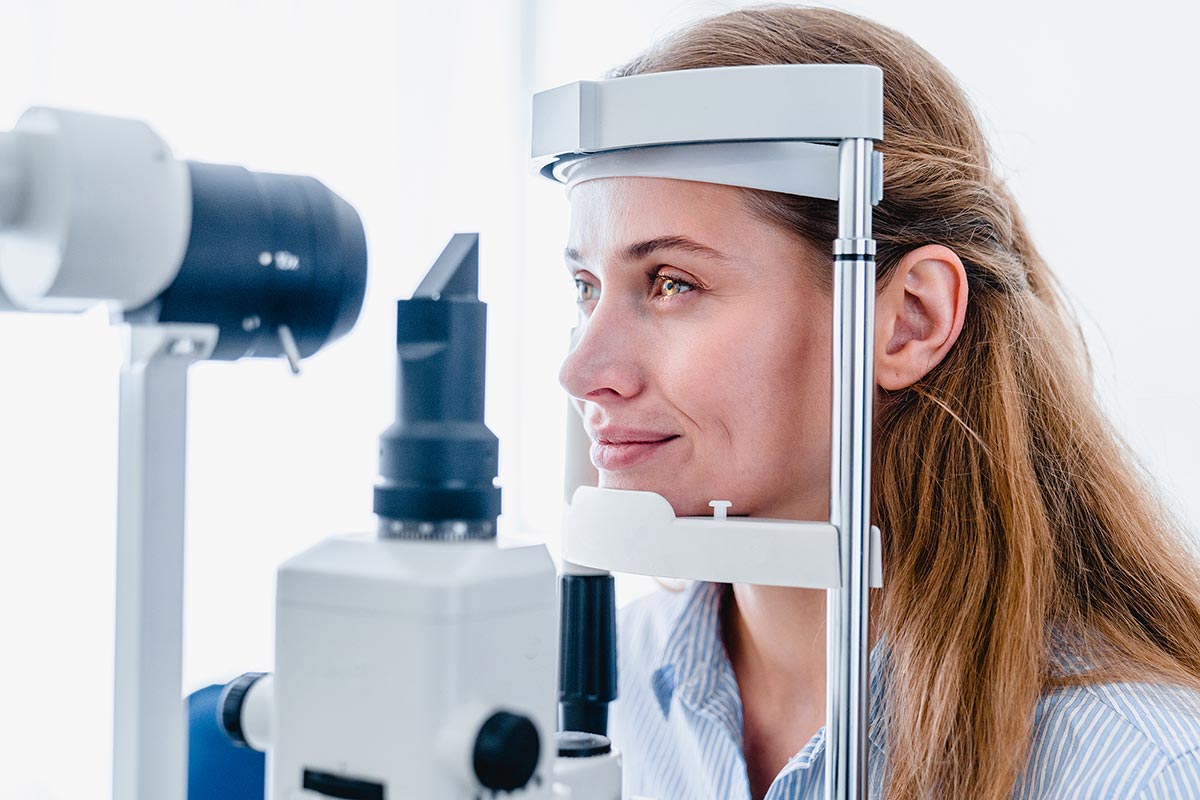
2. Eye Health Evaluation
The doctor will check for:
- Glaucoma
- Cataracts
- Retinal issues
- Dry eye symptoms
- Corneal conditions
- Macular degeneration
3. Eye Movement & Coordination
Your optometrist evaluates how well your eyes work together—critical for reading, driving, and computer work.
4. Refraction Test
This determines the most accurate prescription for glasses.
Who Needs a General Eye Exam?
Everyone—regardless of whether you wear glasses or contacts.
Most adults benefit from an eye exam every 1–2 years, or more often if recommended by your eye doctor.
What Is a Contact Lens Exam?
A contact lens exam is a separate and more specialized evaluation that ensures your lenses fit properly, remain comfortable, and do not cause harm over time.
Contact lenses sit directly on the surface of your eye, which means the doctor must assess additional factors that don’t apply to eyeglasses.
What a Contact Lens Exam Includes
1. Corneal Measurements
Your optometrist measures the curvature of your cornea to determine the correct contact lens size and shape.
2. Tear Film Evaluation
To ensure comfortable wear, the doctor checks:
- Tear quality
- Tear production
- Lubrication stability
This is crucial for patients who experience dryness.
3. Trial Lenses
You’ll receive trial lenses to test the initial fit.
The optometrist checks:
- Lens movement
- Lens stability
- Vision clarity
- Comfort level after blinking
4. Prescription for Contact Lenses
A contact lens prescription includes details not found in a glasses prescription:
- Base curve
- Lens diameter
- Lens material
- Brand
- Power
These measurements are essential for safety and long-term wear.
5. Training for First-Time Wearers
If you’re new to contacts, the exam also includes support with:
- Inserting and removing lenses
- Cleaning instructions
- Proper storage and replacement schedules
Contact Lens Exam vs Eye Exam: Key Differences at a Glance
| Feature | General Eye Exam | Contact Lens Exam |
| Checks overall eye health | Yes | Yes |
| Updates prescription | Yes (for glasses) | Yes (for contacts) |
| Measures corneal curvature | No | Yes |
| Evaluates tear film | No | Yes |
| Includes trial lenses | No | Yes |
| Teaches lens application & care | No | Yes |
| Required for contact lens wearers | Optional | Required |
A contact lens exam does not replace a general eye exam. It is an additional service specifically for people who wear or plan to wear contacts.
Do I Need Both Exams?
Yes—if you want contact lenses.
A glasses prescription alone does not include the information needed to safely wear contacts. At Austin Optics, we ensure both exams are done correctly so your eyes remain healthy and your contacts feel comfortable throughout the day.
How Often Should You Schedule These Exams?
General Eye Exam:
Every 1–2 years, depending on your eye health and age.
Contact Lens Exam:
Every year, because:
- Eye shape can change
- Tear quality can fluctuate
- Your lenses may need an updated fit
- The prescription must legally remain current
Why Choose Austin Optics for Your Eye and Contact Lens Exams?
At Austin Optics, our eye care team provides precise measurements, state-of-the-art testing, and personalized fittings for every patient. Whether you wear glasses, contacts, or both, you’ll receive a tailored experience designed for comfort, clarity, and long-term eye health.
Schedule Your Exam at Austin Optics Today
Whether you’re updating your glasses prescription or transitioning to contact lenses, our team is here to help you every step of the way.
Contact Austin Optics:
Phone: +718-261-8655
Email: [email protected]
Corporate Office: Austin Optics (Forest Hills, NY)
Ready to book your appointment? Visit our website at https://austinoptics.com/ and let us help you see the world more clearly.